Playbooks№06
Think slow, act fast
Most big projects fail in delivery, so do the slow thinking while change is still cheap.
The numbers
Bent Flyvbjerg studied more than 16,000 big projects. Only 8.5% hit both their time and their budget. Just 0.5% hit time, budget and the benefits they promised.
Why projects fail
Teams rush the planning, because planning feels like delay and building feels like progress. Then they get stuck in delivery, where every change is expensive: materials are ordered, contracts are signed, parts are machined.
Where change is cheap
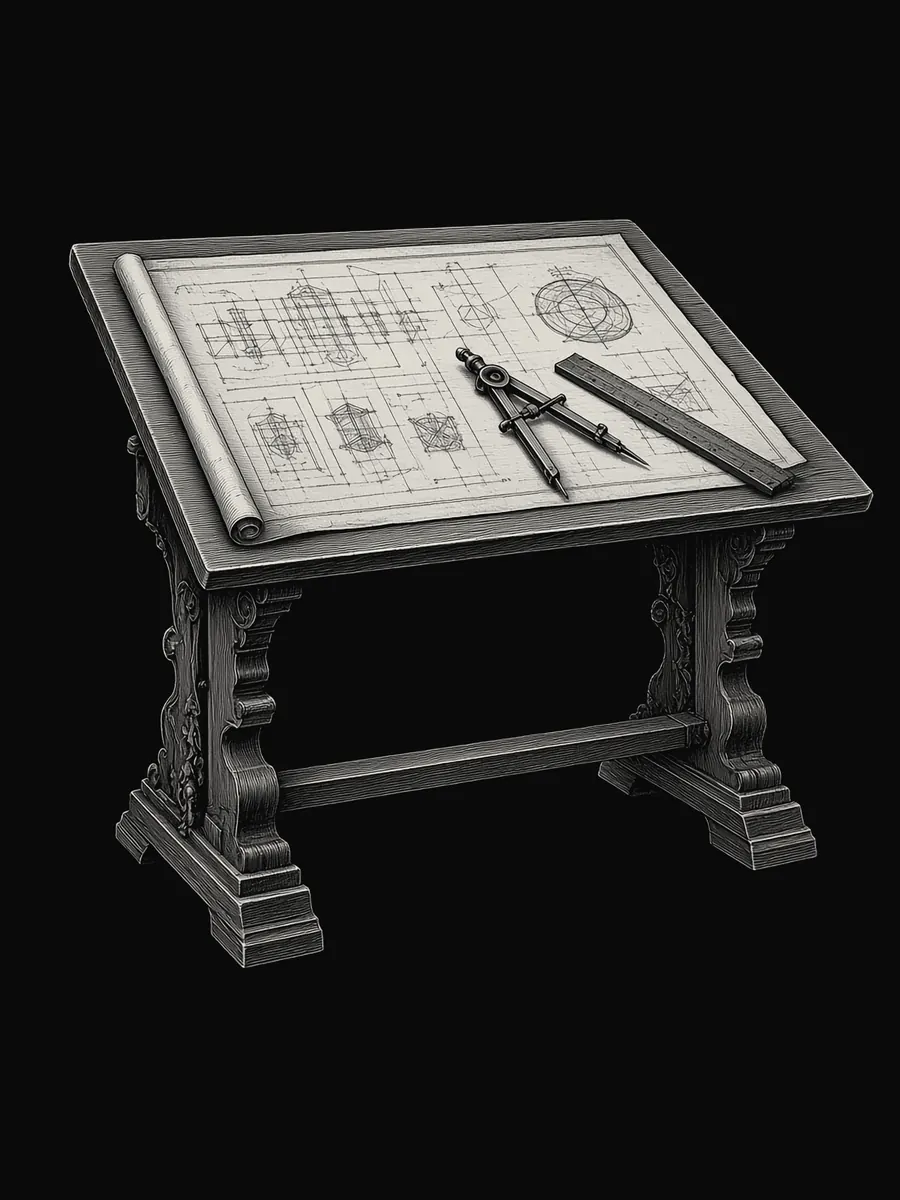
Change is cheap on paper and brutal in steel. A design change in a model costs an afternoon. The same change after fabrication can cost months.
The fix
Plan slowly with cheap tools: models, simulations, prototypes. Test the plan until the expensive surprises have shown up on paper. Then build fast, and keep the build window short so the world has less time to change underneath you.
For hardware founders
This doesn’t mean planning forever. It means moving the hard thinking to the stage where it costs least.
What’s your Lego?
In Flyvbjerg’s data, solar projects run about 1% over budget on average. Nuclear power plants run about 120%. The difference is modularity: one small unit, made and installed again and again, so every repeat is cheaper and less risky than the last. His question for anything big is “What’s your Lego?”
For a frontier startup, the unit might be a cell, a module, a sensor or a standard install. If every deployment is a one-off, you never get the learning curve.
Where it goes wrong
- Mistaking slow thinking for slow starting. Planning time goes into cheap tests and models, not meetings and documents.
- Skipping the cheap stage. Discovering a design flaw once hardware is built costs far more than finding it in a simulation or a sketch.
- Planning forever. The aim is to move the risk out early, then commit and build quickly. Planning without a commit point is just delay.
Try it this week
- Name the slowest, most expensive step in your plan.
- Find a cheap way to test it on paper, in simulation or with a crude prototype.
- Only commit money to that step once the cheap test stops surprising you.
Sources
- Bent Flyvbjerg and Dan Gardner, How Big Things Get Done
As posted
- Reel on InstagramIn Bent Flyvbjerg's data, solar projects run about 1% over budget on average. Nuclear plants run about 120%.
- Post on XChange is cheap on paper and brutal in steel.
- Post on XWhat's the slowest, most expensive step in your plan?
- Thread on XBent Flyvbjerg studied more than 16,000 big projects.
- Post on XIn Bent Flyvbjerg's data, solar projects run about 1% over budget on average.